Education
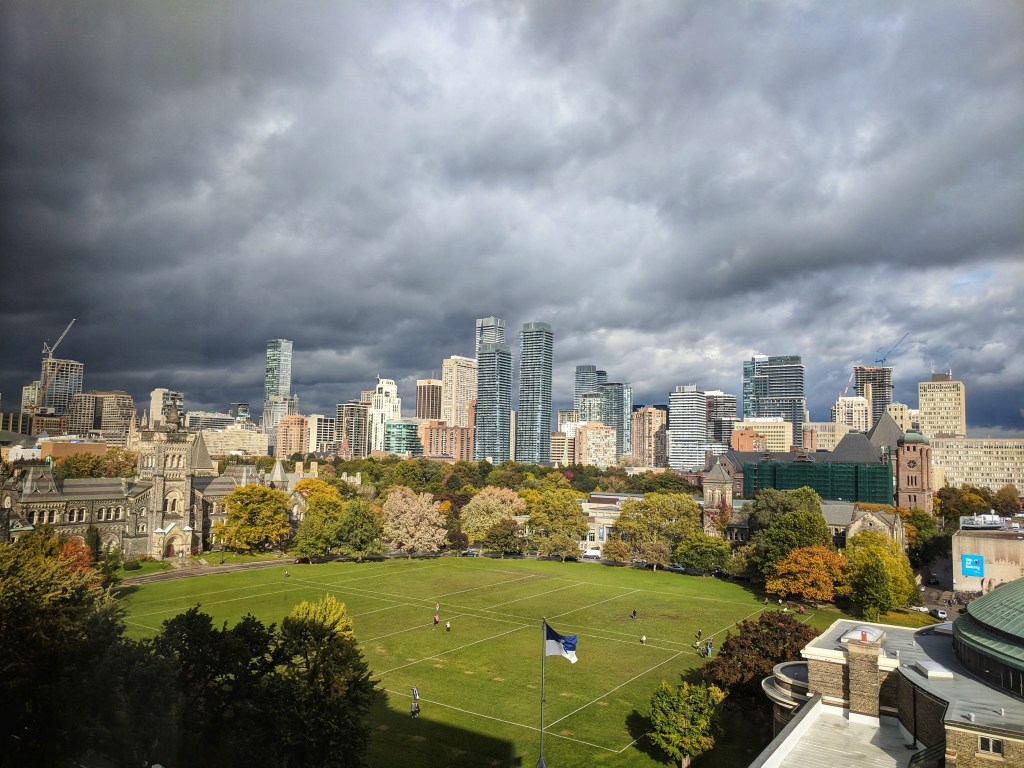
St. George Campus
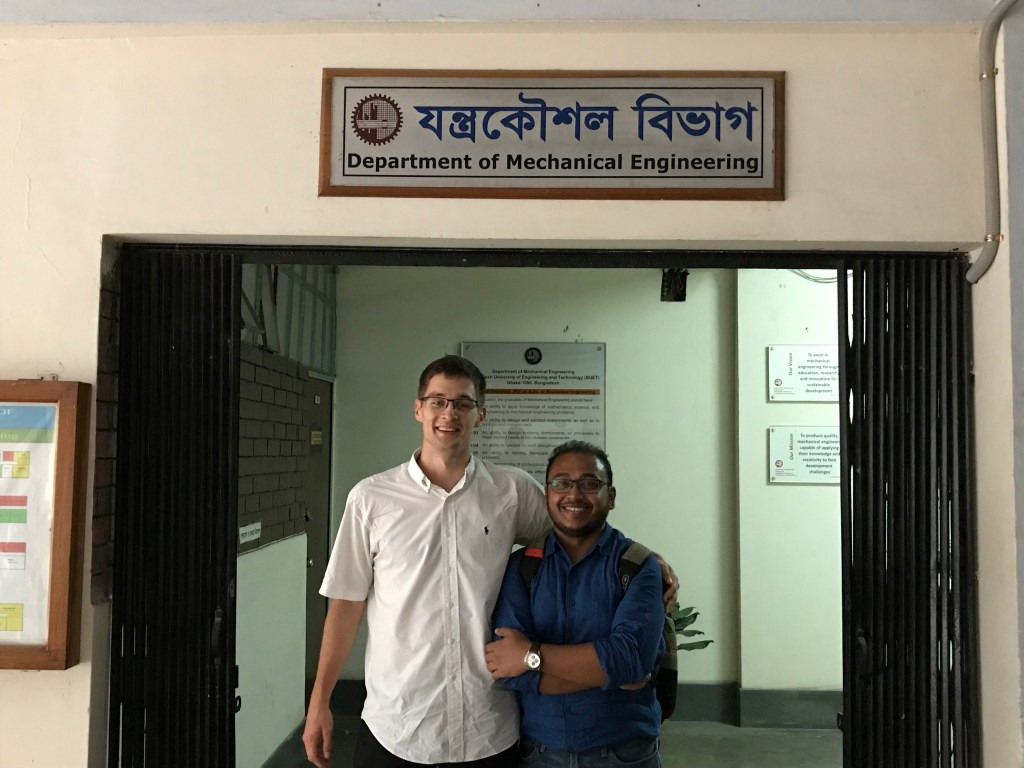
Ph.D Candidate in Mechanical and Industrial Engineering
M.Sc. in Mechanical Engineering
B.Sc. in Mechanical Engineering
Real-time Identification of Reverse Osmosis Fouling Dynamics and Development of a Data-driven Fouling Model
A Preliminary Study of Slurry Pipeline Erosion using a Toroid Wear Tester
Numerical Investigation on Effects of Deformation on Accuracy of Orifice Flow Meters
Research
Multi-scale Characterization of Scale Accumulation on Reverse Osmosis Membrane (2019 – ongoing)
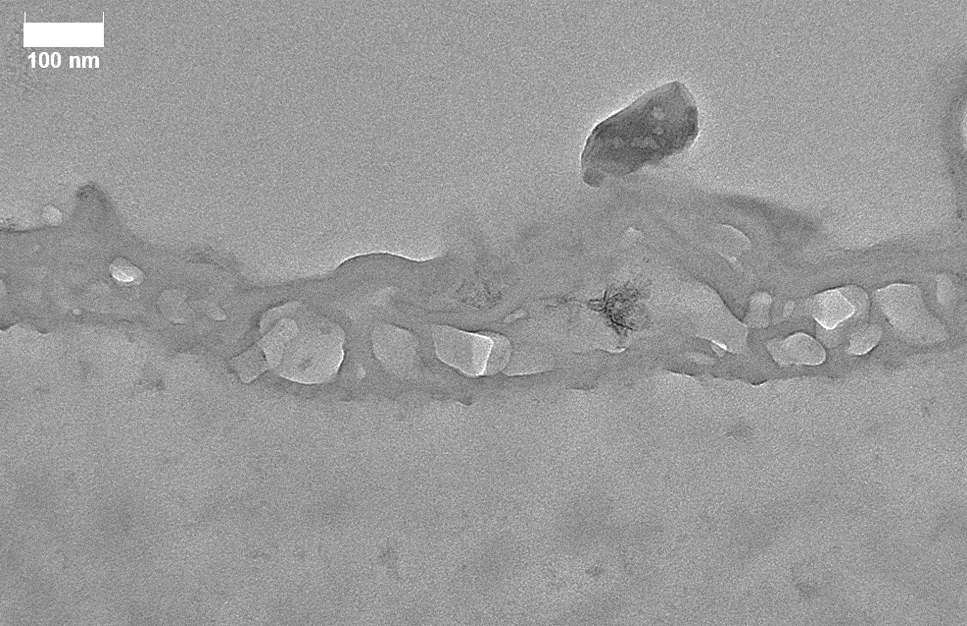
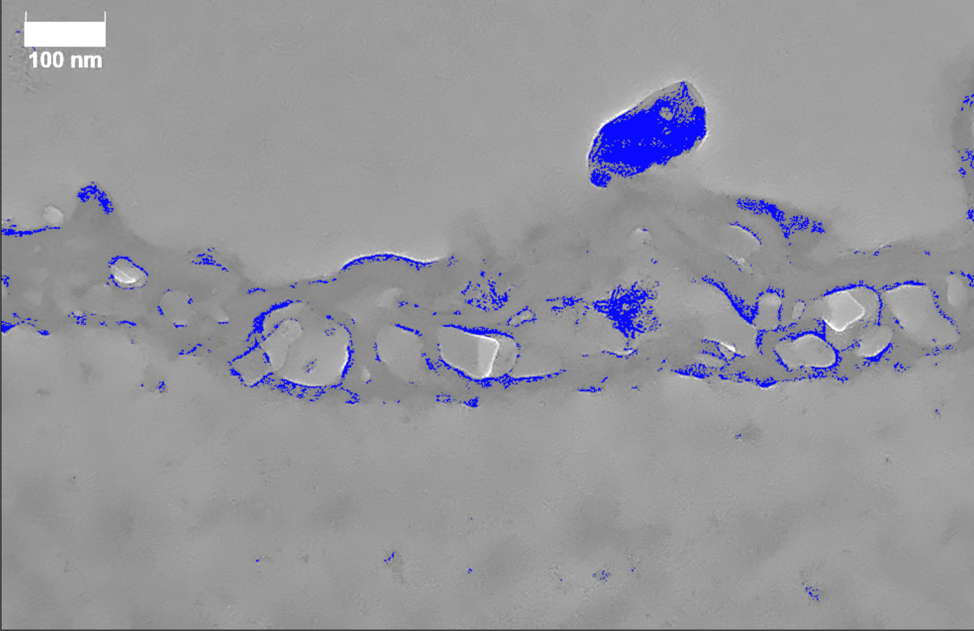
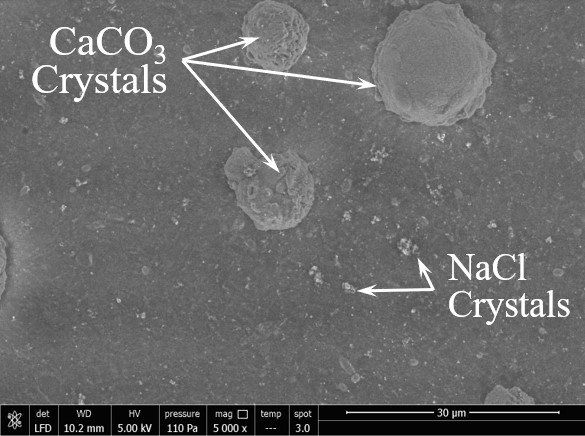
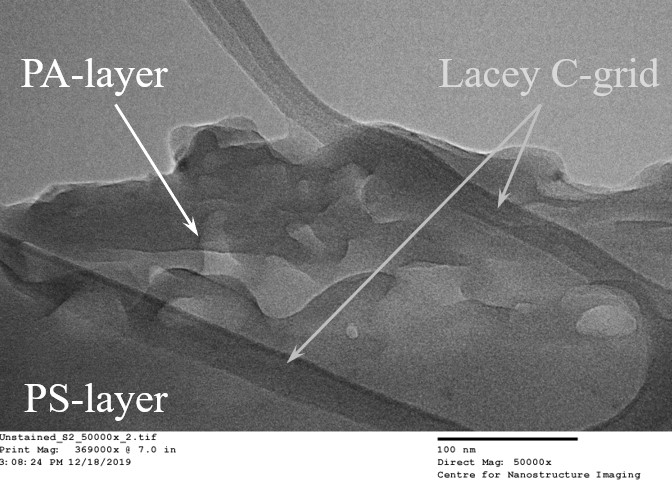
During RO operation, the swelling and stretching of the polyamide (PA) layer of the thin-film composite membranes form convoluted nanostructures, where salt ions may get trapped, enhance crystallization, and thereby, intensify inorganic scaling.
To better understand this kinetics, this research aims to investigate the influence of membrane nanostructures on scale nucleation and growth via multi-scale visualization techniques. Understanding foulant accumulation in such locations will provide keen insights for developing strategies to clean the membranes as well as designing novel membrane materials. Currently, the scaling are being tracked in real-time and then further analyzed in high-resolution TEM.
Optimization of a Small-scale Photovotaic-powered Reverse Osmosis (PVRO) Operation Process (2019 – ongoing)
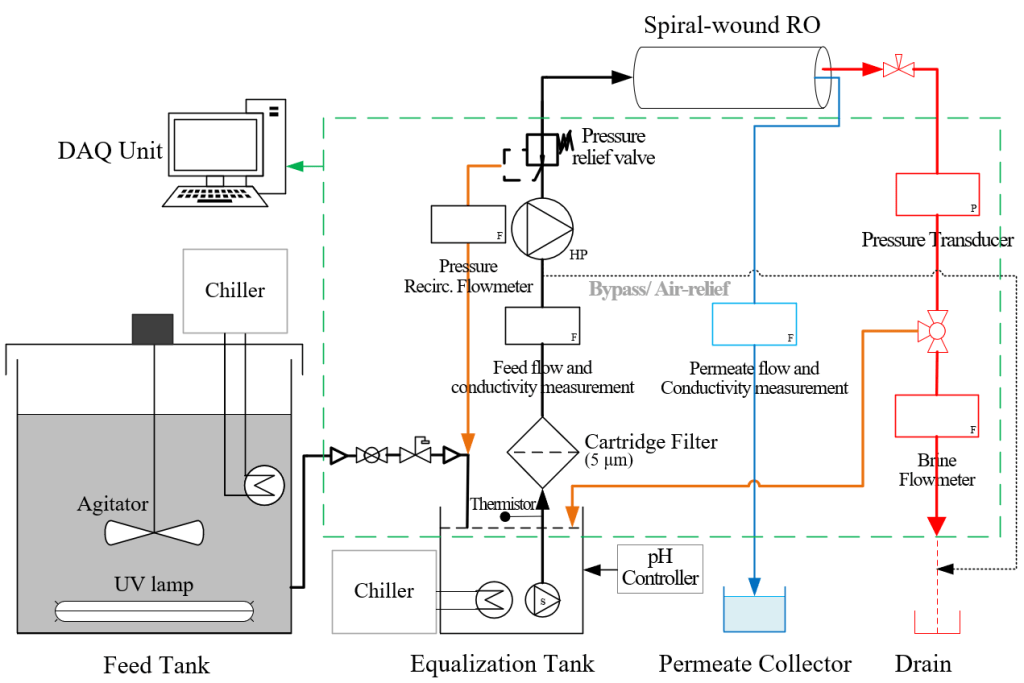
Taguchi’s design of experiment approach will be employed to answer – at what operating conditions high permeate flux in the spiral-wound RO geometry can be maintained while attaining high salt rejection? At this stage, a spiral-wound RO experimental setup is under development in which tests will be conducted. The modular data acquisition and control system are already designed and built. Lab-mixed groundwater will be supplied from a 200 L feed tank and recirculated in the system making use of an equalization tank.
Real-time Visualization of Reverse Osmosis Fouling Dynamics (2017-2019)
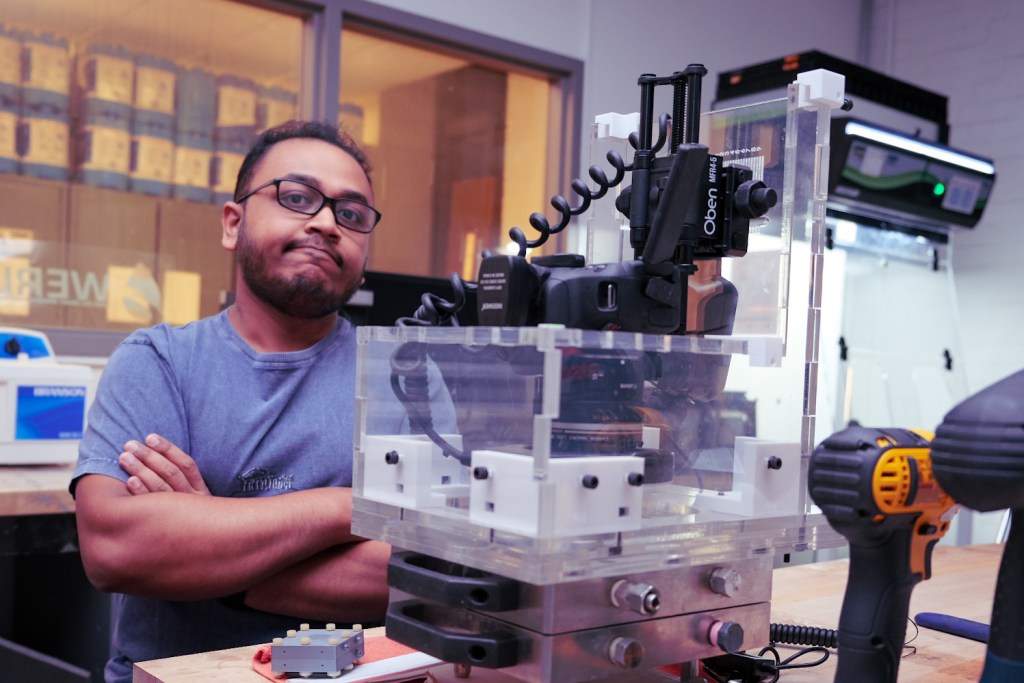
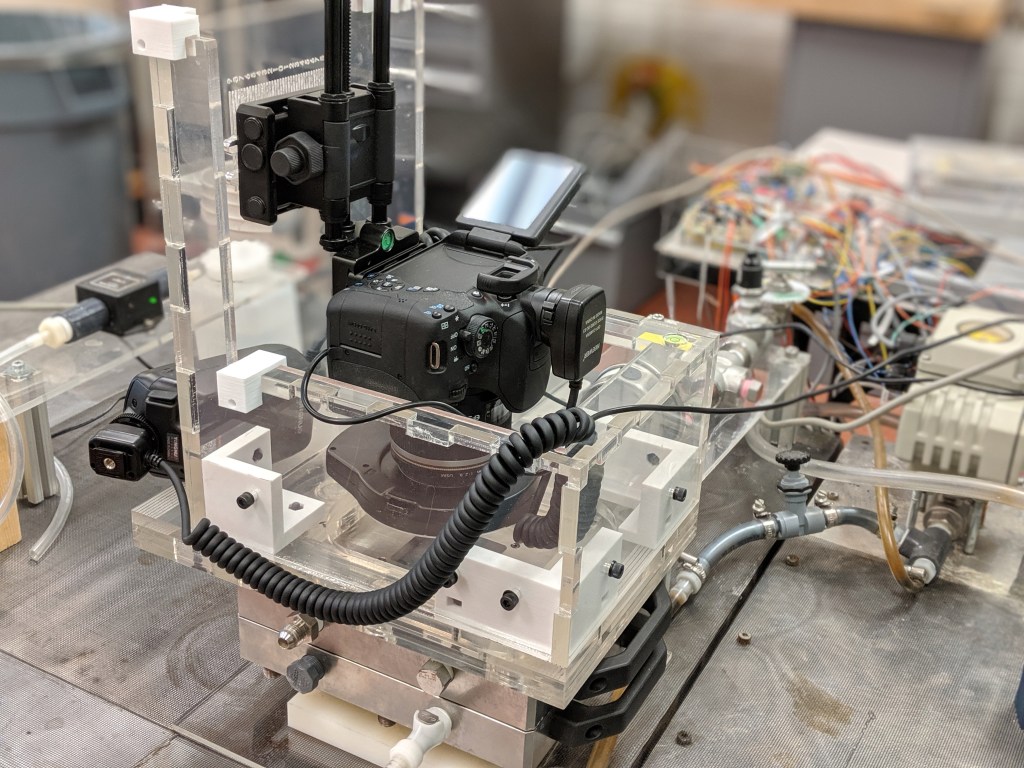
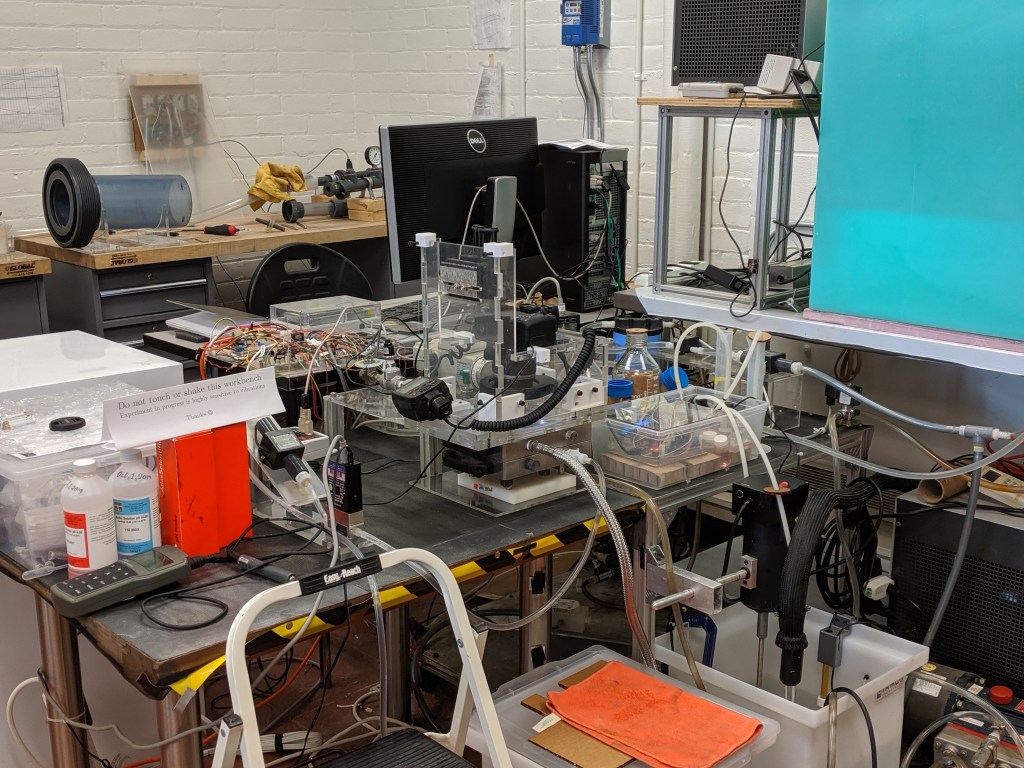
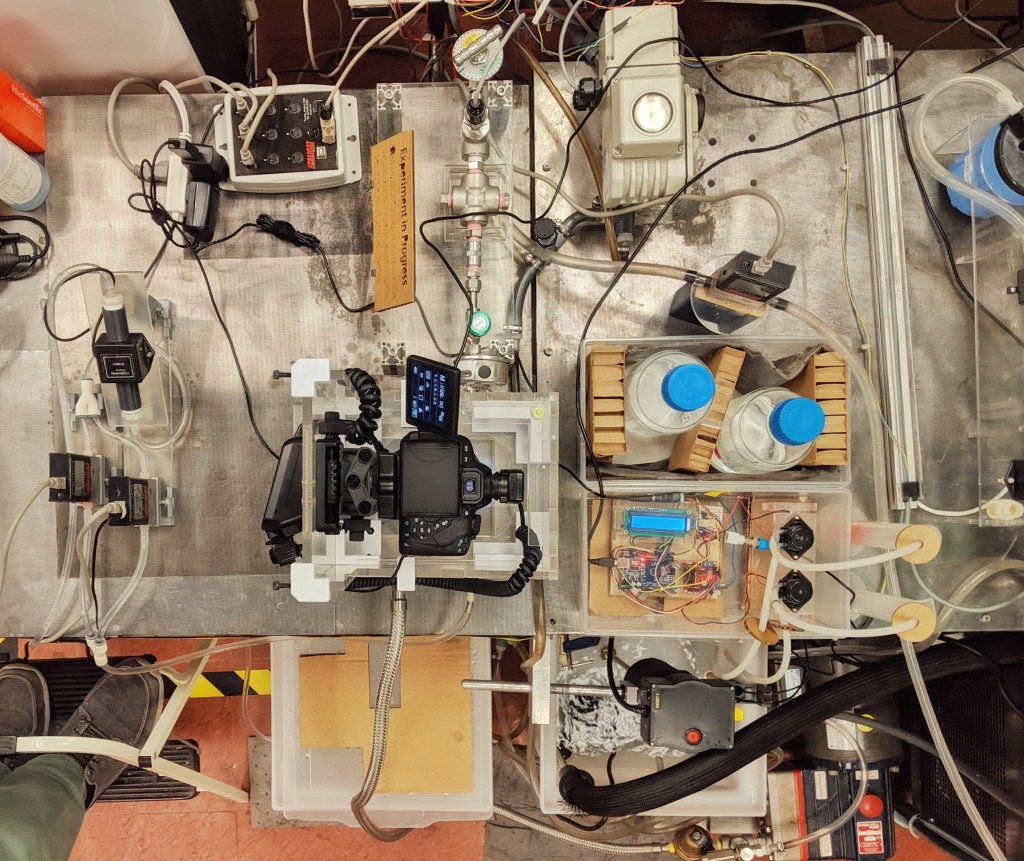
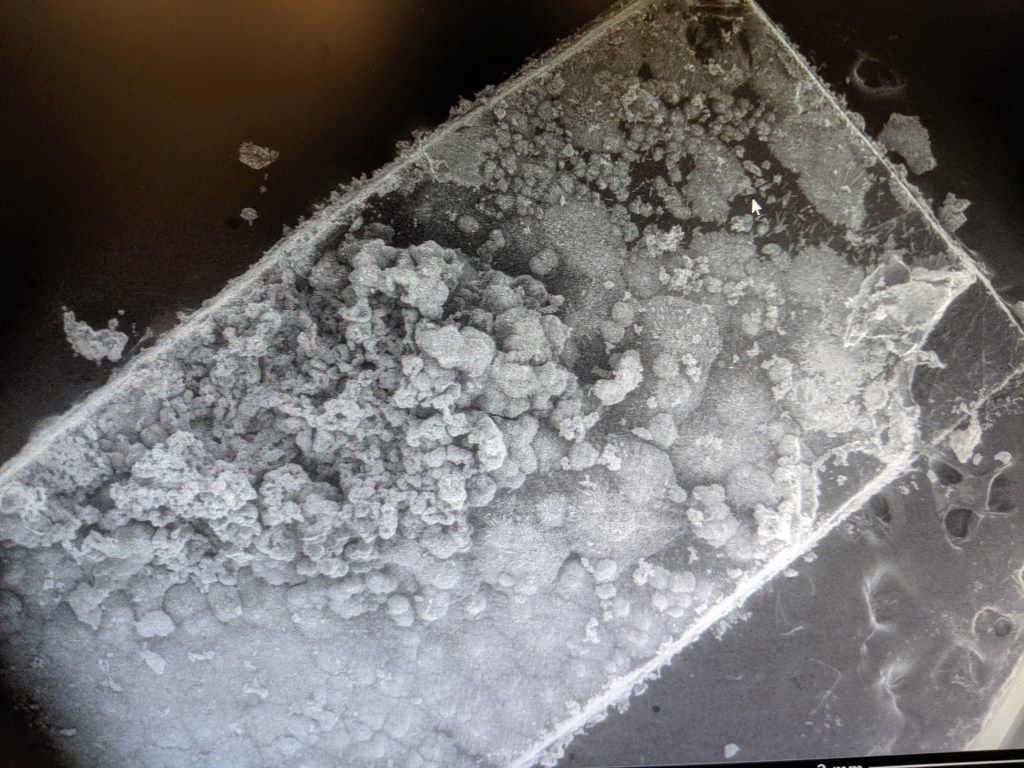
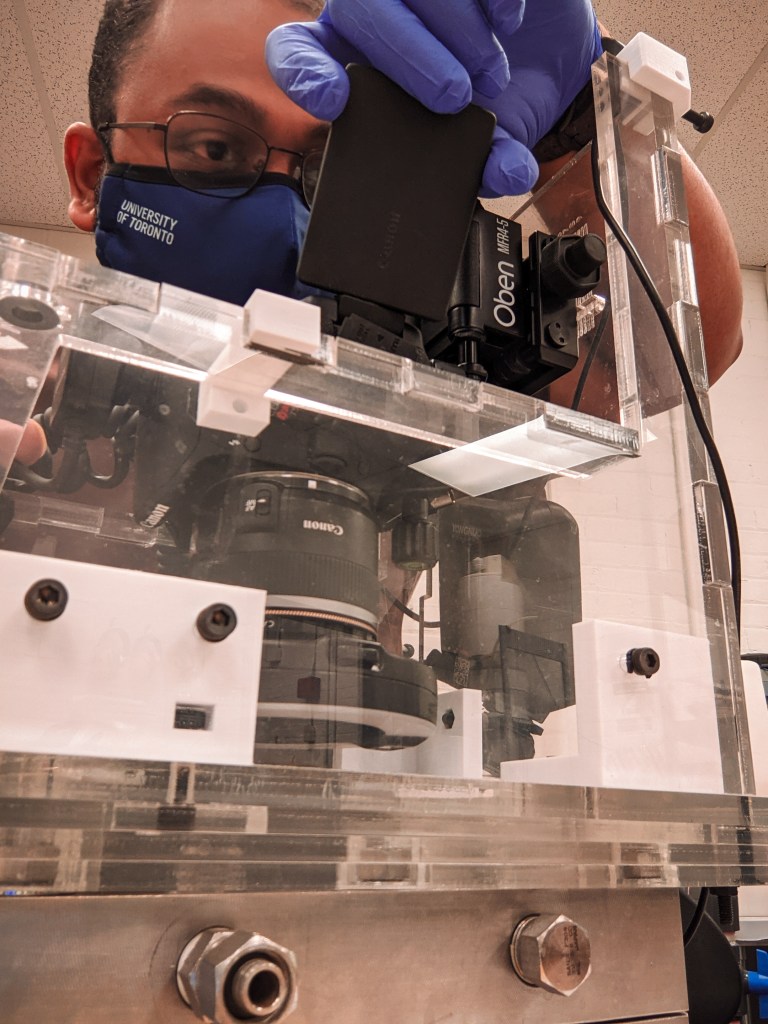
Reverse osmosis aka RO, although is a mature desalination technology, has several challenges. The fouling of membrane materials is one of the most significant ones impacting the small-scale implementation of this technology for remote, off-the-grid communities. Moreover, photovoltaic-powered units run intermittently adding further uncertainties in the fouling behavior. Therefore, in this study, a real-time fouling visualization module was developed and integrated with conventional fouling measurements. So far, inorganic scale growth during RO operation was monitored in spacer-filled channels, which helped debunking the common speculation that intermittent RO operation may degrade the RO membranes faster.
At present, the acquired real-time image data are being evaluated using supervised (and unsupervised) machine learning algorithms to make more sense of the fouling kinetics as well as to highlight the differences between regular and intermittent RO operation.
Data-driven Prediction and Mitigation of Membrane Fouling (2020 – Ongoing)
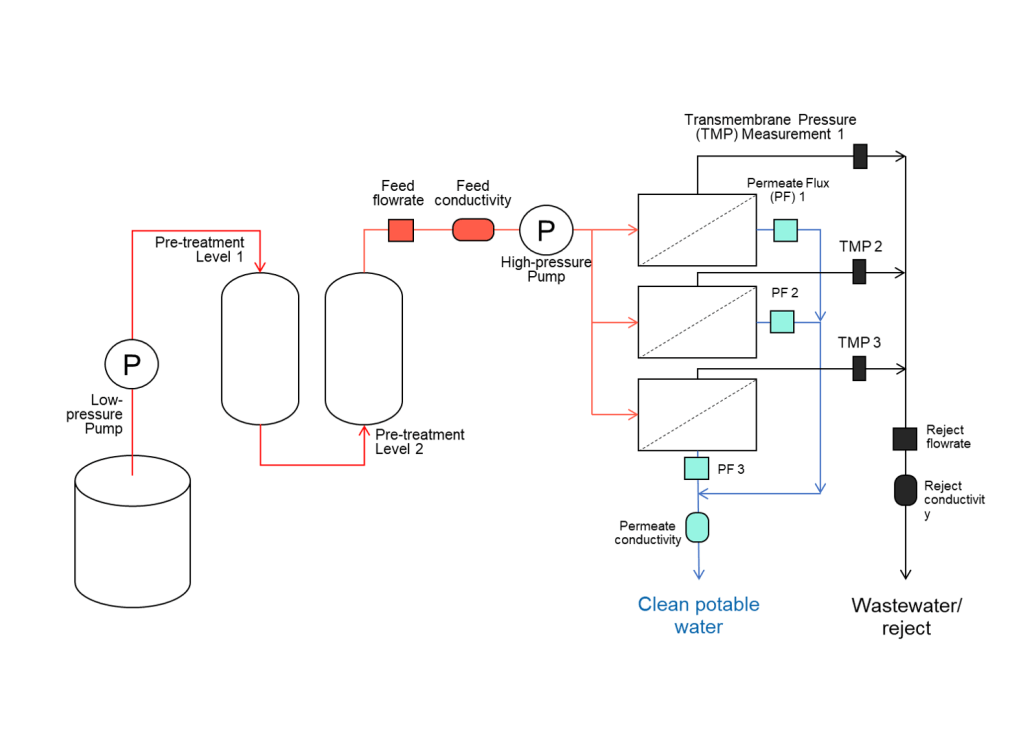
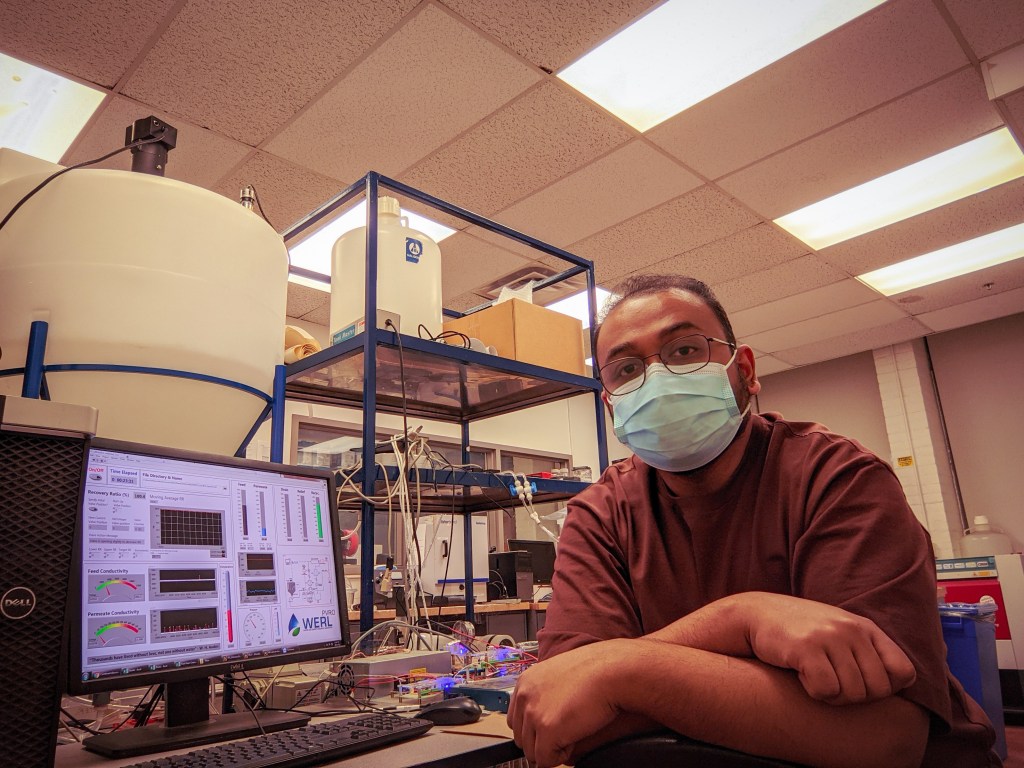
Existing commercial software for RO systems depends on deterministic and semi-empirical modeling. However, these are neither self-adaptive nor always suitable to control complex and dynamic systems. So, initially, using a pilot-scale RO test bed, a data-driven fouling model to estimate and mitigate PVRO membrane fouling.
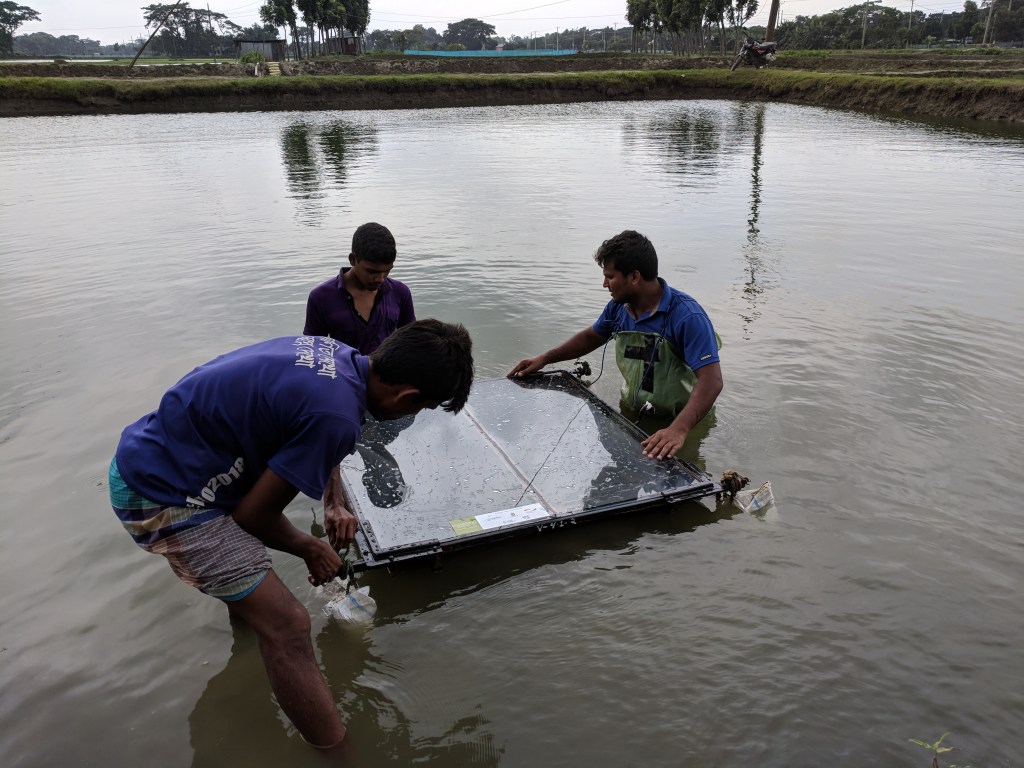
Following the pilot-scale study, the data-driven model will be further improved utilizing field-scale data in partnership with the WaterAid Bangladesh team.
Performance and hydrodynamics analysis of a Toroid Wear Tester (TWT) (2014 – 2016)
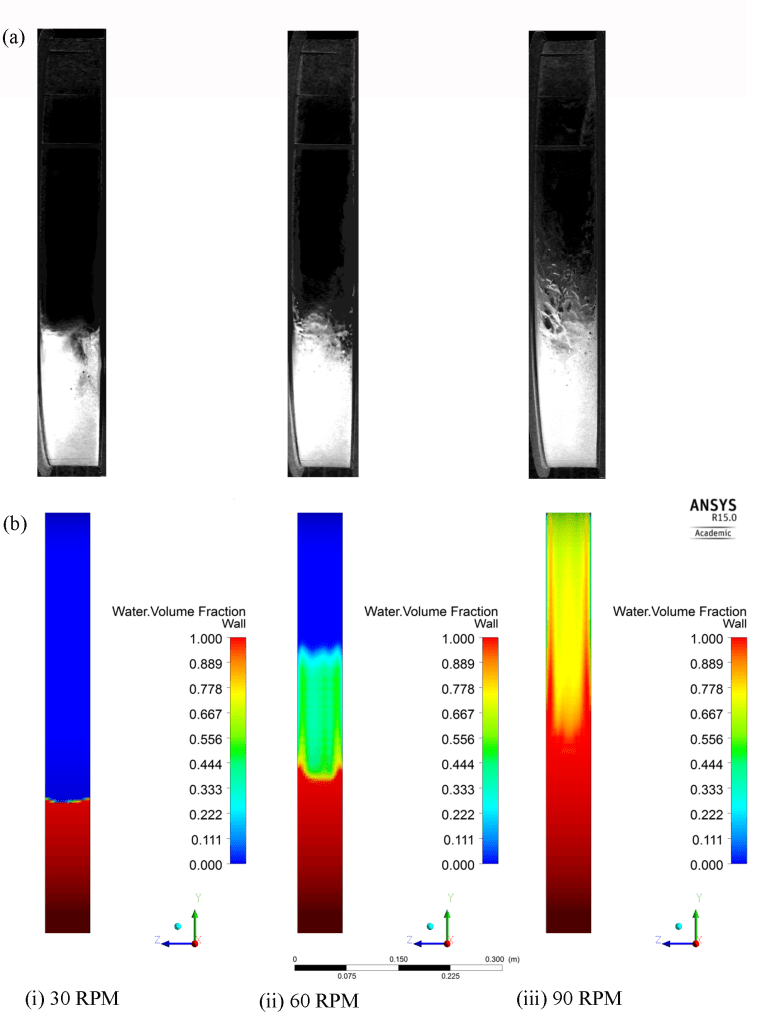
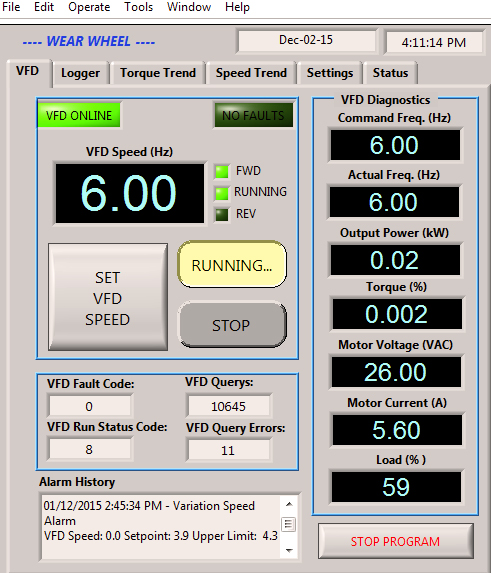
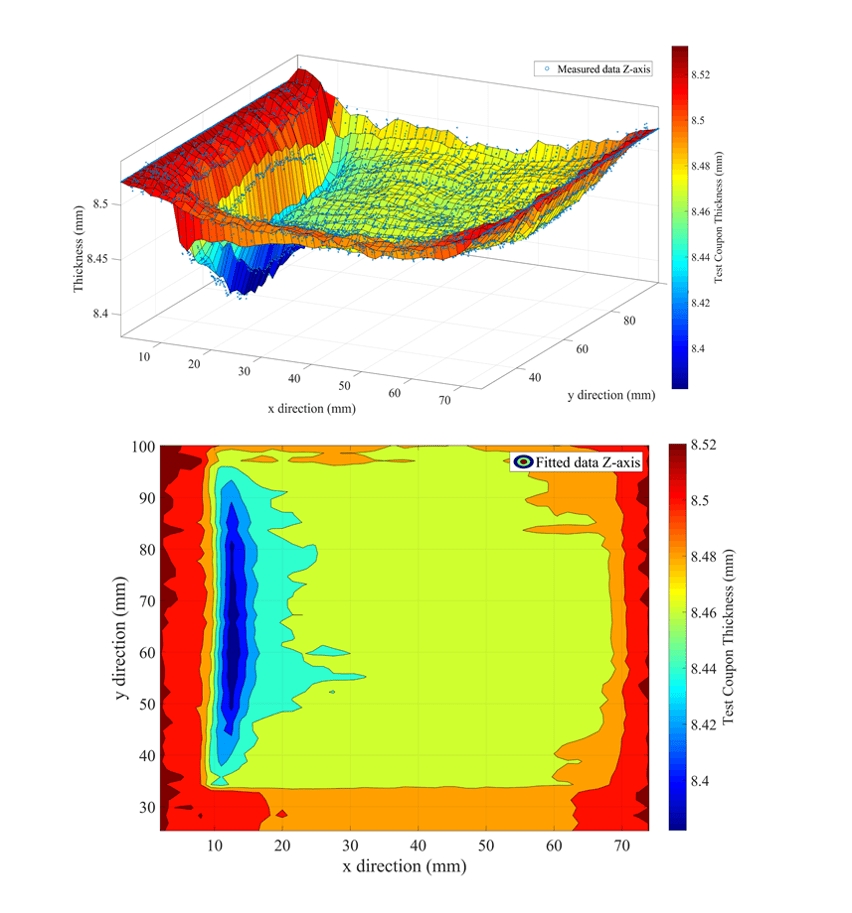
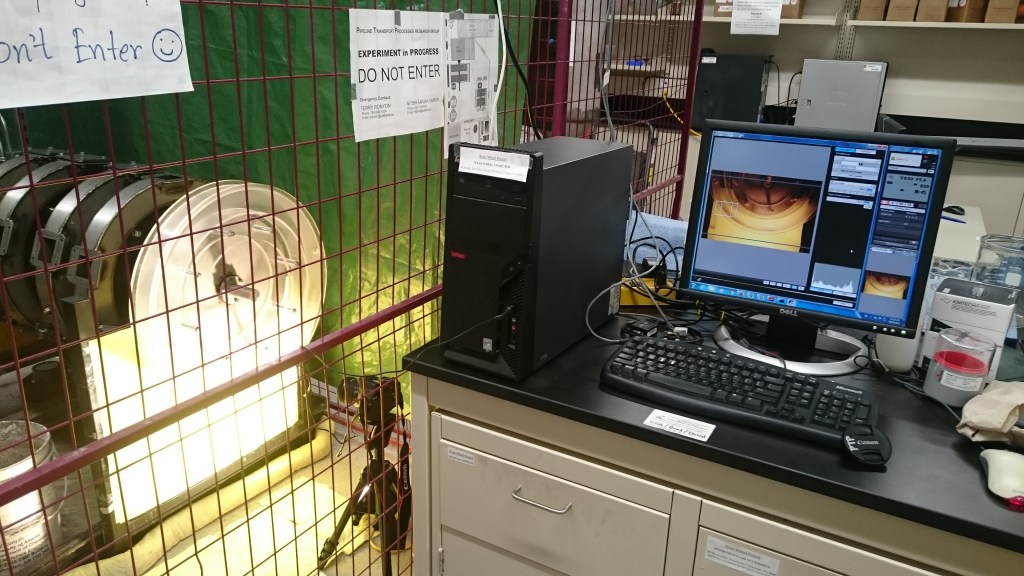
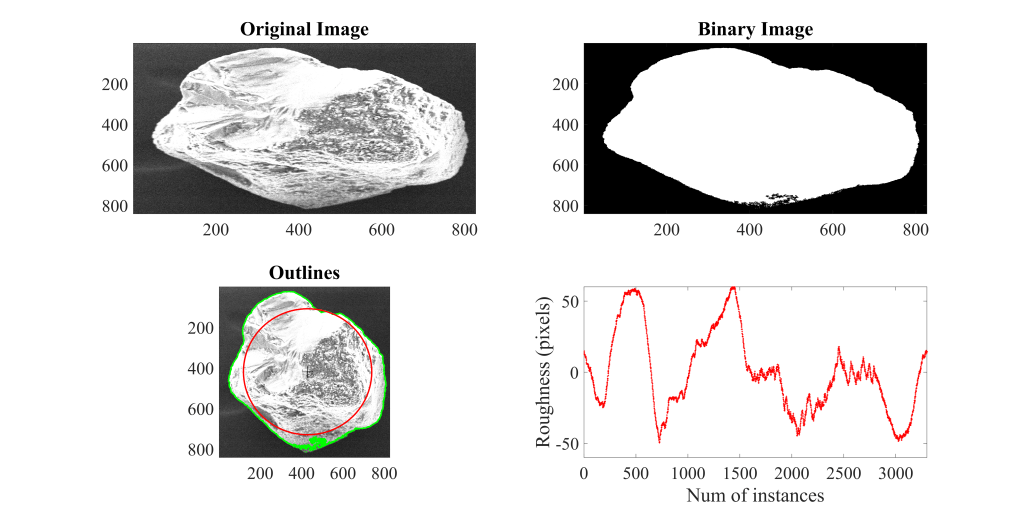
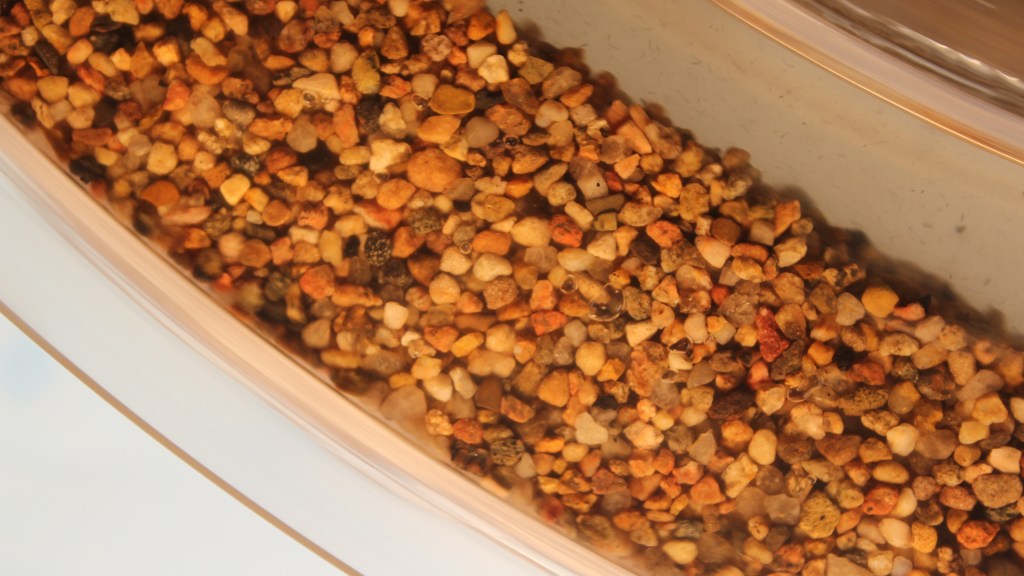
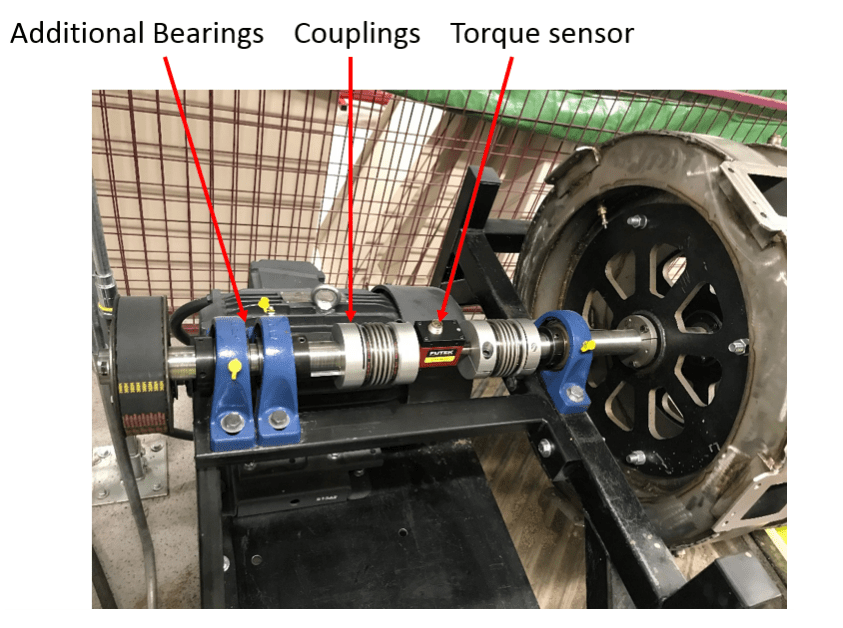
Field-scale pipe erosion tests are difficult to control; so, lab-scale experiments are frequently employed. However, most techniques produce hydrodynamic conditions dissimilar to pipe flow. The TWT hydrodynamics closely resembles to pipe flow than other wear testers. This work evaluated the repeatability and parametric wear trends of a TWT, as well as the major differences between TWT and pipe-flow hydrodynamics. Visualization experiments showed that only larger particle sizes or lower TWT speeds are suitable for generating sliding-bed-dominated erosion comparable to pipe flow. In addition to previously observed particle–coupon contact time and particle degradation effects, normal load and coupon edge effects are identified as important. Despite these limitations, the TWT is a promising apparatus for ranking material wear resistance and, with careful interpretation, for making pipeline erosion predictions.
Are we properly accounting for the particle size in erosion modeling? A case study using sand-gravel bi-modal slurry (2016 – 2017)
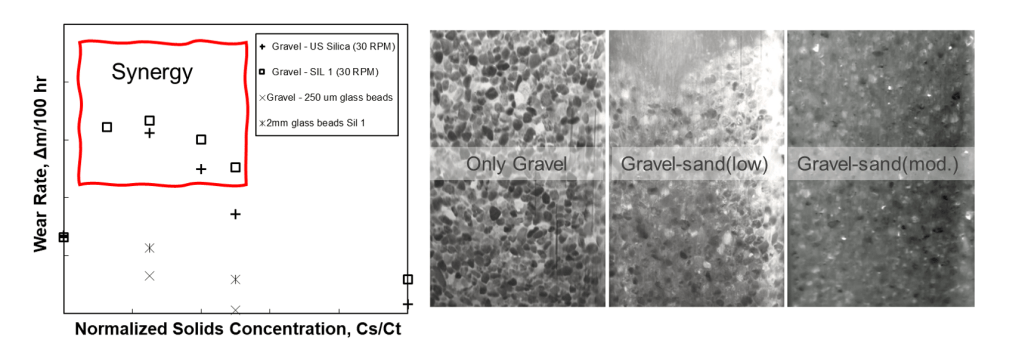
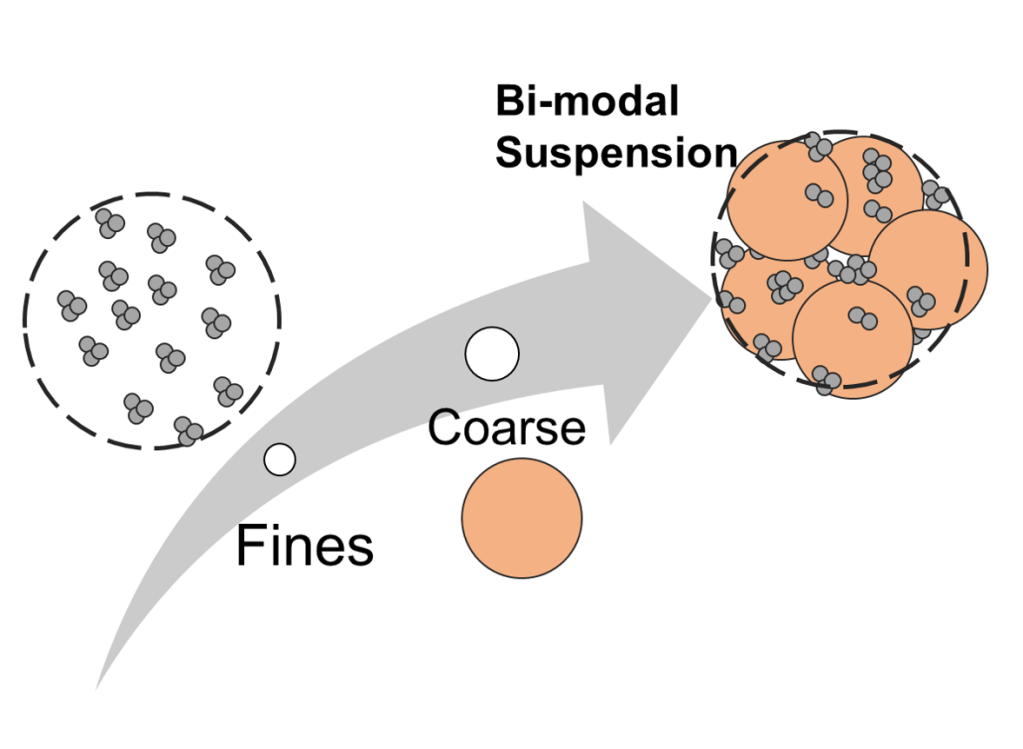
Complexity in field-scale pipeline tests led to development of promising laboratory-scale testers to predict slurry erosion. However, commercial slurry pipelines transport a wide size range of particle mixture, whereas phenomenological erosion models developed from lab-scale testers are typically based on experiments with slurries having a single particle size distribution (PSD). So, this work aimed to compare pipeline erosion using single and bi-modal PSD slurries as well as to understand the effect of particle-particle and particle-wall interaction in actual pipelines. Simulated pipeline erosion experiments were carried out using a TWT. Multiple sand particles were mixed with gravels. The results demonstrated a synergistic erosion rate; parametric studies varying the particle abrasiveness hinted that possible formation of sand-gravel blocks and gravel assisted sand impact may have contributed to this accelerated erosion behavior of bi-modal slurries. These new insights highlight the insufficiency of existing erosion models in interpreting the physics of wear in slurry pipelines.
Effects of deformation on accuracy of orifice meter flow measurements (2011 – 2012)
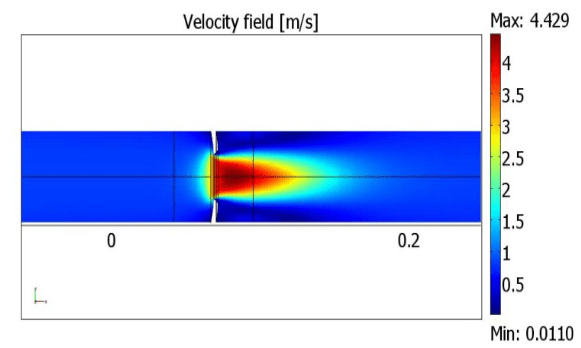
Flow measurement errors caused by deformation of orifice plates were analyzed using a finite element solver. Deformation due to rounding of the sharp edges and plate bending showed that, buckled plates and rounded edge plates both under-measures the flow. The error in measurement can be as high as 5% for throat erosion while plate bending may cause ~3% under-measurement.
Other Project Affiliations
Teaching Experiences
University of Toronto, Canada
APS 510: Innovative Technologies and Organizations in Global Energy Systems
High carbon-emitting fossil fuel-based energy technologies (which meet roughly 80% of the global energy demand) have significant impacts on climate change. As a response to that, strategies like replacing high carbon-emitting technologies with renewable sectors are getting traction; however, social and economic adaptation to those approaches are not easy and prompted major international debates over ‘what’ could be done and ‘how’! The good news is, innovations in renewable energy sectors grew substantially in the last decade and influencing the energy markets toward significant structural reforms. Nonetheless, decarbonization policies and transition from fossil fuel to renewable energy would face significant technological, economic, and political challenges in the coming decades.
In these circumstances, the aim of APS 510 is to understand the social, economic, and environmental challenges of the global energy policies and transition strategies to renewable power generation. Together, we will explore state-of-the-art energy innovations in different economies by startups, non-profit, and government organizations. The course contents will not only focus on technological innovations but also on financial and systemic innovations such as – how M-Kopa is utilizing the ‘Pay-As-You-Go’ model to provide solar energy to rural, off-the-grid homes. Similar in-depth case studies and invited professional talks will deliver real-world insights of renewable and clean energy entrepreneurship, their business models and funding opportunities, challenges, and limitations.
By the end of this course, students are expected to understand the current state of global energy systems and policies, innovations and funding opportunities for clean energy technology and to be able to adopt a creative and critical-thinking mindset to contribute to innovations and organizations in global energy systems.
APS 420/1420: Technology, Engineering & Global Development (Winter 2020, Winter 2019)
Understanding the challenges of development and learning how to design sustainable and scalable solution to foster economic growth and reach the hardest to reach are the major theme of this course. This course is primarily targeted toward senior engineering undergraduates and graduate students in the Faculty of Applied Science and Engineering. As a part of my duties, worked with the instructor and other TAs to streamline the course contents, analyzed students’ class performances, and graded the mid-term and finals.
MIE 1128: Materials for Clean Energy Technologies (Fall 2019, Fall 2018)
Energy is a prime utility, and this graduate-level course discussed design and efficacy of different forms of efficient energy harvesting devices including photovoltaic cells, fuel cells, and gas turbines. The most fun part of the course is, however, the student seminar series where students’ present state-of-the-art ongoing researches on relevant fields. As a part of my TA duties, I provided office hours to support the students as well as discussed and analyzed students’ assignments.
University of Alberta, Canada
MEC E 362: Mechanics of Machines (Winter 2015, Fall 2015)
This is a fundamental course for any Mechanical Engineering undergraduates. It discussed the basics of velocities and acceleration in plane mechanisms, balancing of rotating and reciprocating machinery, gears and gear trains, etc. As a TA, I graded the assignments and quizzes. Besides, provided office hours and took seminars on topics like gear design, mechanism mobility, relative velocity and acceleration analysis, rate of work principle.
MEC E 300: Mechanical Measurements (Winter 2014)
Took seminars for third year undergrads on mechanical systems with an electrical signal, computerized data acquisition systems, and statistical analysis of experimental data related concepts and provided office hours.
MEC E 230: Introduction to Thermo-Fluid Sciences (Fall 2013)
As a TA instructor, explained basic thermal and fluid mechanics concepts through seminars. Also, helped the instructor and other TAs in grading assignments, quizzes, and finals.
Ahsanullah University of Science and Technology, Bangladesh
Robotics and CNC Machining (Spring 2013, Fall 2012)
This course was designed for the undergraduate industrial engineering students. Designed the course syllabus and prepared contents partnering with other faculties and served as the course instructor for CNC machining. Major topics covered were CNC program planning and part program structure, CNC programming technique, G-code and M-code, and referencing.
Engineering Mechanics (Spring 2013)
Taught the statics part of fundamentals of engineering mechanics – equilibrium of particle and rigid body, force system resultants, structural analysis, and friction.
Sessional/ Laboratory/ Machine Shop (Spring 2012 – Spring 2013)
Fluid Mechanics Lab, Engineering Thermodynamics Lab, Engineering drawing and Drafting, Solid Mechanics Lab, Machine Design courses, Machine Shop Practice.
 NITISH R SARKER